RWS 100 this semester changed the way I read, write, and talk to people. I thought that writing meant following grammar rules and sounding formal at first. I now understand that writing is a way of thinking. It requires questioning, analyzing, thinking, and making careful rhetorical choices. I don’t just read to learn things; I read to find out what the author wants me to think, feel, or do and how they are trying to get me to do those things.
One of the most important things I learned is that you shouldn’t read without thinking. I used to read things quickly and believe what they said before I took this class. I didn’t think about why the author wrote the book, who they were writing for, or the strategies that were hidden in the words they chose. We did rhetorical analysis exercises all semester, and they taught me that every writer has a plan. They are always changing the tone, making certain points, and building arguments to get the reader to react. That helped me understand what it really means to know about rhetoric.
I remember reading Laura Bolin Carroll’s Backpacks vs. Briefcases. That text made me realize that we always judge and make sense of things, even when we’re not in school. We always think about things, like first impressions, ads, and political messages. That book taught me that rhetoric isn’t just for writing. You can find it in branding, sports commentary, conversations, and everyday life. It made me realize that
I shouldn’t jump to conclusions and should take my time and think things through.
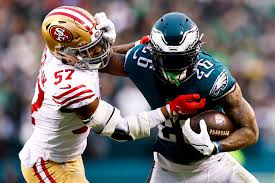
Doing a rhetorical analysis of my Fantasy Football and fantasy footballers was another big change for me. I didn’t think that a sports-related assignment would teach me so much about writing, but it did. I had to think about tone, what the audience expects, credibility, evidence, and the words I chose. I had to explain how the author used humor, statistics, confident predictions, and insider language to build ethos and connect with the fantasy football community instead of just saying they were convincing. This taught me how credibility works in groups, even when they aren’t official. In fantasy football, the person who knows the most gets respect and power, which is similar to the learning goal of looking at power in rhetoric. Communication also determines who feels included in sports.

The blog assignments also made me think differently. When I wrote for an audience instead of just to get a grade from a teacher, I thought about how to organize and tone my writing in a different way. I learned that writing is more than just meeting requirements; it’s also about making information interesting and easy for people to understand. I learned how to write in a way that sounds more natural while still keeping the structure and purpose. The blog posts showed me that you can write clearly and in a conversational way at the same time.

This semester also taught me a lot about who I am. I learned that I need to read slowly. I used to think that reading quickly meant you were doing a good job. I now know that taking breaks, writing down what I read, and asking questions about it helps me understand it better. I learned as a writer that I rely on facts and logic a lot. This is helpful, but sometimes I need to think about it and say what I want to say. When I try to be clear instead of trying to sound perfect, my writing sounds best. Some of the things I’ve learned that have helped me are how to be aware of rhetoric, how to read critically, and how to make deliberate choices when I write. When I read something, whether it’s an article, a speech, or even a caption, I think about the audience, the purpose, the assumptions, and the rhetorical appeals. I don’t just believe what people say. I can see what strategies are being used and why. As a writer, I now think about what my readers need to know first, what tone works best, and what structure best supports my point.
These skills will help me in school and in my everyday life. In my business classes, I will need to learn about different types of arguments and how to convince people. It will help me in marketing and communication to know how people build trust and how language affects how people react. Even when you’re talking to someone in person, like when you’re emailing, sharing ideas, or making a deal, it’s important to know how to use rhetoric. This class helped me learn how to run a business someday by teaching me how to speak clearly and convincingly.
I still want to improve at some things in the future. I want to make it easier to put together sources. There are times when I use quotes in my writing without giving them enough background. In the future, I want to talk about why a source is important instead of letting it speak for itself. I also want to keep getting better at rewriting. I learned that you usually need to write more than one draft to do a good job. I want to practice making changes in smaller steps instead of at the last minute.
I want to get better at these things, so I’m going to take my time when I write, ask for feedback, and use resources like the Writing Center. I want to use rhetorical thinking in my daily reading, not just in my homework, so that it becomes second nature to me. Instead of just reading for content, I will keep practicing reading for intention, structure, and effect.
This class made me more aware of how I read and talk to people, and it made me think more about what I say. It taught me that writing is more than just getting things right. It’s about figuring things out and changing how people think about information. Not only do I feel more sure of my writing after this class, but I also know more about the rhetorical world around me. It doesn’t feel like I have to write anymore. It feels more like a tool I can use in my everyday life, at school, and at work.
 Andrew's Blog
Leave a comment