• RWS 100 this semester changed the way I read, write, and talk to people. I thought that writing meant following grammar rules and sounding formal at first. I now understand that writing is a way of thinking. It requires questioning, analyzing, thinking, and making careful rhetorical choices. I don’t just read to learn things; I read to find out what the author wants me to think, feel, or do and how they are trying to get me to do those things.

    One of the most important things I learned is that you shouldn’t read without thinking. I used to read things quickly and believe what they said before I took this class. I didn’t think about why the author wrote the book, who they were writing for, or the strategies that were hidden in the words they chose. We did rhetorical analysis exercises all semester, and they taught me that every writer has a plan. They are always changing the tone, making certain points, and building arguments to get the reader to react. That helped me understand what it really means to know about rhetoric.

    I remember reading Laura Bolin Carroll’s Backpacks vs. Briefcases. That text made me realize that we always judge and make sense of things, even when we’re not in school. We always think about things, like first impressions, ads, and political messages. That book taught me that rhetoric isn’t just for writing. You can find it in branding, sports commentary, conversations, and everyday life. It made me realize that 

    I shouldn’t jump to conclusions and should take my time and think things through.
    Doing a rhetorical analysis of my Fantasy Football and fantasy footballers was another big change for me. I didn’t think that a sports-related assignment would teach me so much about writing, but it did. I had to think about tone, what the audience expects, credibility, evidence, and the words I chose. I had to explain how the author used humor, statistics, confident predictions, and insider language to build ethos and connect with the fantasy football community instead of just saying they were convincing. This taught me how credibility works in groups, even when they aren’t official. In fantasy football, the person who knows the most gets respect and power, which is similar to the learning goal of looking at power in rhetoric. Communication also determines who feels included in sports.

    The blog assignments also made me think differently. When I wrote for an audience instead of just to get a grade from a teacher, I thought about how to organize and tone my writing in a different way. I learned that writing is more than just meeting requirements; it’s also about making information interesting and easy for people to understand. I learned how to write in a way that sounds more natural while still keeping the structure and purpose. The blog posts showed me that you can write clearly and in a conversational way at the same time.
    This semester also taught me a lot about who I am. I learned that I need to read slowly. I used to think that reading quickly meant you were doing a good job. I now know that taking breaks, writing down what I read, and asking questions about it helps me understand it better. I learned as a writer that I rely on facts and logic a lot. This is helpful, but sometimes I need to think about it and say what I want to say. When I try to be clear instead of trying to sound perfect, my writing sounds best. Some of the things I’ve learned that have helped me are how to be aware of rhetoric, how to read critically, and how to make deliberate choices when I write. When I read something, whether it’s an article, a speech, or even a caption, I think about the audience, the purpose, the assumptions, and the rhetorical appeals. I don’t just believe what people say. I can see what strategies are being used and why. As a writer, I now think about what my readers need to know first, what tone works best, and what structure best supports my point.

    These skills will help me in school and in my everyday life. In my business classes, I will need to learn about different types of arguments and how to convince people. It will help me in marketing and communication to know how people build trust and how language affects how people react. Even when you’re talking to someone in person, like when you’re emailing, sharing ideas, or making a deal, it’s important to know how to use rhetoric. This class helped me learn how to run a business someday by teaching me how to speak clearly and convincingly.

    I still want to improve at some things in the future. I want to make it easier to put together sources. There are times when I use quotes in my writing without giving them enough background. In the future, I want to talk about why a source is important instead of letting it speak for itself. I also want to keep getting better at rewriting. I learned that you usually need to write more than one draft to do a good job. I want to practice making changes in smaller steps instead of at the last minute.

    I want to get better at these things, so I’m going to take my time when I write, ask for feedback, and use resources like the Writing Center. I want to use rhetorical thinking in my daily reading, not just in my homework, so that it becomes second nature to me. Instead of just reading for content, I will keep practicing reading for intention, structure, and effect.
    This class made me more aware of how I read and talk to people, and it made me think more about what I say. It taught me that writing is more than just getting things right. It’s about figuring things out and changing how people think about information. Not only do I feel more sure of my writing after this class, but I also know more about the rhetorical world around me. It doesn’t feel like I have to write anymore. It feels more like a tool I can use in my everyday life, at school, and at work.

  • RWS 100 this semester changed the way I read, write, and talk to people. I thought that writing meant following grammar rules and sounding formal at first. I now understand that writing is a way of thinking. It requires questioning, analyzing, thinking, and making careful rhetorical choices. I don’t just read to learn things; I read to find out what the author wants me to think, feel, or do and how they are trying to get me to do those things.

    One of the most important things I learned is that you shouldn’t read without thinking. I used to read things quickly and believe what they said before I took this class. I didn’t think about why the author wrote the book, who they were writing for, or the strategies that were hidden in the words they chose. We did rhetorical analysis exercises all semester, and they taught me that every writer has a plan. They are always changing the tone, making certain points, and building arguments to get the reader to react. That helped me understand what it really means to know about rhetoric.

    I remember reading Laura Bolin Carroll’s Backpacks vs. Briefcases. That text made me realize that we always judge and make sense of things, even when we’re not in school. We always think about things, like first impressions, ads, and political messages. That book taught me that rhetoric isn’t just for writing. You can find it in branding, sports commentary, conversations, and everyday life. It made me realize that 

    I shouldn’t jump to conclusions and should take my time and think things through.

    Doing a rhetorical analysis of my Fantasy Football was another big change for me. I didn’t think that a sports-related assignment would teach me so much about writing, but it did. I had to think about tone, what the audience expects, credibility, evidence, and the words I chose. I had to explain how the author used humor, statistics, confident predictions, and insider language to build ethos and connect with the fantasy football community instead of just saying they were convincing. This taught me how credibility works in groups, even when they aren’t official. In fantasy football, the person who knows the most gets respect and power, which is similar to the learning goal of looking at power in rhetoric. Communication also determines who feels included in sports.

    The blog assignments also made me think differently. When I wrote for an audience instead of just to get a grade from a teacher, I thought about how to organize and tone my writing in a different way. I learned that writing is more than just meeting requirements; it’s also about making information interesting and easy for people to understand. I learned how to write in a way that sounds more natural while still keeping the structure and purpose. The blog posts showed me that you can write clearly and in a conversational way at the same time.

    This semester also taught me a lot about who I am. I learned that I need to read slowly. I used to think that reading quickly meant you were doing a good job. I now know that taking breaks, writing down what I read, and asking questions about it helps me understand it better. I learned as a writer that I rely on facts and logic a lot. This is helpful, but sometimes I need to think about it and say what I want to say. When I try to be clear instead of trying to sound perfect, my writing sounds best. Some of the things I’ve learned that have helped me are how to be aware of rhetoric, how to read critically, and how to make deliberate choices when I write. When I read something, whether it’s an article, a speech, or even a caption, I think about the audience, the purpose, the assumptions, and the rhetorical appeals. I don’t just believe what people say. I can see what strategies are being used and why. As a writer, I now think about what my readers need to know first, what tone works best, and what structure best supports my point.
    These skills will help me in school and in my everyday life. In my business classes, I will need to learn about different types of arguments and how to convince people. It will help me in marketing and communication to know how people build trust and how language affects how people react. Even when you’re talking to someone in person, like when you’re emailing, sharing ideas, or making a deal, it’s important to know how to use rhetoric. This class helped me learn how to run a business someday by teaching me how to speak clearly and convincingly.

    I still want to improve at some things in the future. I want to make it easier to put together sources. There are times when I use quotes in my writing without giving them enough background. In the future, I want to talk about why a source is important instead of letting it speak for itself. I also want to keep getting better at rewriting. I learned that you usually need to write more than one draft to do a good job. I want to practice making changes in smaller steps instead of at the last minute.
    I want to get better at these things, so I’m going to take my time when I write, ask for feedback, and use resources like the Writing Center. I want to use rhetorical thinking in my daily reading, not just in my homework, so that it becomes second nature to me. Instead of just reading for content, I will keep practicing reading for intention, structure, and effect.

    This class made me more aware of how I read and talk to people, and it made me think more about what I say. It taught me that writing is more than just getting things right. It’s about figuring things out and changing how people think about information. Not only do I feel more sure of my writing after this class, but I also know more about the rhetorical world around me. It doesn’t feel like I have to write anymore. It feels more like a tool I can use in my everyday life, at school, and at work.


  • At first, fantasy football might appear like an easy game. But you learn that people in a league operate a certain way because of rules and principles that aren’t written down. The most crucial thing that no one mentions in this group is that you are incredibly good at football. I discovered this by seeing my own league play and chatting to several friends that play. You don’t pick folks depending on which team you like. You can tell who will have a strong week by looking at the games, knowing who is hurt, and understanding how players are performing in general. People will see you and make fun of you if you don’t.
    People in my league’s group chat are always discussing about players and sending each other screenshots of their lineup rankings. They also gloat about making good moves and make fun of others who made bad trades or picked up guys who are hurt now. There are also jokes and memes that only people who genuinely adore football would get. I realized that being good at athletics is like having a lot of money. People will respect you more if you share what you know. If you don’t say anything or guess, people will think you’re not serious. This is the antithesis of what the group cares about most.

    Billings and Rui’s study says this regarding fantasy sports. Some people think that being honest is quite crucial when playing fantasy football. To get ahead, you need to show that you know a lot and are active in your community. That’s exactly how things work in my league. People who know stats and watch clips are treated like experts, while everyone else stays silent so they don’t get caught. Rui, Billings, and Lewis undertook another study on how people who play fantasy sports online use fun, stats, and confidence to get along with their buddies. Fantasy football chats are full of things like that all the time. You will look better if you post hilarious memes on platforms like X or Reddit and insightful comments.

    I also found out how crucial language is. “RB1 upside,” “bust,” “waiver wire steal,” “streaming quarterbacks,” and “sell high candidate” are some of the only words that football fans know. At first, you could feel awkward because you don’t know all the words. Some folks I talked to indicated they didn’t post straight away because they didn’t want to look stupid. You can tell this rule is valid even if no one states it out loud. You need to sound like you know what you’re talking about if you want to fit in.

    There are some faults with this group, but it’s also entertaining, hard, and social. That’s fantastic if you really like sports, but you might not. Sometimes, wanting to know everything might make things more stressful than fun. People who are willing to put in the work can achieve more than just play football. Anyone of any age can go there to learn, have fun, and play. To fit in, you need to show that you know and care about the sport.

  • The Fantasy Footballers Podcast is one of the most popular and well-known shows in the fantasy football industry. Andy Holloway, Mike Wright, and Jason Moore host the show, which has become one of the most popular places to get fantasy suggestions and have fun. Every week, a lot of people listen to get suggestions on who to start and who to sit, ideas for the waiver wire, and daring predictions. But below all the jokes and banter, there’s a fundamental question: does The Fantasy Footballers Podcast actually give expert-level opinions, or has it become more of a brand for fun than for serious analysis?

    When you listen to The Fantasy Footballers, the first thing that stands out is the intensity. It’s obvious that the hosts enjoy their work. There is a lot of music, crowd engagement, and laughter at the start of each presentation. Their chemistry makes the show fascinating to listen to for even casual fans, and the jokes help you understand intricate fantasy notions.
    https://youtu.be/6ru0fiR5pnI?si=9_eI9Wu8ycQL3YqJ

    Following the Podcast

    One of the best things about the show is that it’s easy to follow. New players may find stats, ADP charts, and expert ranks exceedingly bewildering. The dream Footballers break down that barricade by making dream conversation entertaining. They talk like normal people, make jokes that only they get, and even give portions that come back names like “Wheel of Shame” or “Starts of the Week.” The show feels like a solid bunch because of who they are. People who hear it think they’re in a group conversation with buddies instead of a lesson from an analyst.

    In a sport that thrives on ambiguity, it can seem like they are too confident of themselves when they say things like “lock it in” or “you have to start this guy.” In fantasy football, chances are vital, and sometimes luck is just as important as reasoning. People sometimes get furious when expert calls don’t succeed, even though the show never promises that they would. But they have more power than merely what they say. The podcast has turned into a business that sells things, makes YouTube videos, and has a community forum for fantasy football fans. Their philosophy gets stronger as they develop. People who listen to them think they are pros who did more than just put on a show.

    Getting to know and working with the people in the community

    The Fantasy Footballers are distinct from other shows since they are about the community. They talk to fans on social media, answer questions from followers, and give stories about their league. A lot of people follow them, and it’s not just for aid with fantasizing. People listen because they trust the hosts and feel like they know them.

    The Fantasy Footballers is more than simply a show since it makes you feel like you’re part of something. A lot of people that play fantasy games hang out there. People in their “FootClan” even pay for private forums and premium content, which makes it a real community where people can communicate, laugh, and make friends. Still, the fact that you have to pay to take part makes me worry how easy it is to get to. Some fans think that the paywall keeps folks who just want to listen for fun apart from people who can afford the extras.

    Summary

    The Fantasy Footballers Podcast is an important element of the fantasy football community for a good reason. It has a lot of charm, humor, and good football knowledge that is easy to learn and appeals to both novice and seasoned players. The finest part is that it makes analytics more interesting by making them into a shared cultural experience. But as the show becomes more popular, it loses some of its substance to have fun now and then. Even the funniest specialists can’t predict every score or injury, so fantasy managers should bear that in mind. The Fantasy Footballers Podcast isn’t really about finding definite strategies to win. It’s not about winning; it’s about having fun with the people, the jokes, and the craziness that make fantasy football so much fun.

  • Fan football has consistently served as a means to socialize, enjoy oneself, and organize activities. The rapid expansion of legal sports betting in recent years has incorporated this aspect. Many individuals in the community have been discussing whether monetary presents enhance the enjoyment of the game or diminish social cohesion.

    Numerous fans assert that wagering increases the stakes and enhances the enjoyment of the game. This entices a larger audience and provides greater rewards for victors. Players exhibit heightened interest and enthusiasm for each game when they are required to analyze it and formulate strategies. Conversely, some argue that this alteration diminishes the enjoyment of fantasy football, increases stress, and heightens the risk of financial loss. I previously engaged in it primarily to impress others. Acquiring and subsequently losing money is of greater significance at present. According to the Pew Research Center, 22% of individuals in the U.S. engaged in sports betting last year. A greater number of Americans now concur with the Pew Research Center that gaming is detrimental to society and sports. This indicates an increased desire to wager, along by heightened concerns regarding the potential consequences of such actions.

    College students and young adults will be most affected by this move. They hold significant importance in fantasy football. The NCAA (2023) reports that 16% of college students have engaged in negative behavior while gaming, with 6% of those students indicating they lost over $500 in a single day. Individuals may expend excessive resources when engaged in competition with one another. In 2025, the NCAA conducted another survey and discovered that athletes continue to disapprove of sports betting. This indicates that when individuals express anger toward gaming, it can adversely affect others who engage in gaming.

    This issue affects multiple individuals. The evolution of betting and fantasy sports participation influences fans, players, and app developers alike. Athletics are being adversely affected by irate fans who harass them online. Individuals who engage in fantasy games may incur financial losses or experience frustration. Currently, residents in the neighborhood are discussing the importance of responsibility. They seek an enjoyable method to engage in fantasy football that excludes wagering.
    Fantasy football is enjoyable as it fosters social interaction and elicits happiness among participants. The increasing prevalence of sports betting necessitates that the community devise strategies to maintain the integrity and enjoyment of the games for all participants. This can be achieved by harmonizing enjoyment with responsibility.

  • Fantasy Football is one of the largest and most competitive online sports communities. Every NFL season, fans draft players, make trades, and compete for bragging rights. What makes it more than just a game is how it brings people together. Fantasy Football clearly fits into all six parts of a discourse community.


    Shared Goals for the Public

    The main goal is to win your league, but it’s also about having fun and making connections. People join leagues to stay in touch with friends, learn more about football, and enjoy weekly competition.


    Ways to Talk to Each Other

    Fantasy Football members communicate in many ways through group chats, Discord servers, Reddit, and social media. Every Sunday, messages fly around about trades, injuries, or who to start and sit. The constant communication keeps everyone interested and connected.


    Communication That Involves Everyone

    This community depends on participation. Members talk about matchups, give advice, and respond to posts. Each week brings something new to discuss, whether it’s a huge upset or a breakout player that surprises everyone.


    Types of Fantasy Football Communication

    There are many “types” or genres of Fantasy Football content matchup reports, memes, podcasts, and trade proposals. These formats show how creative and involved the community really is.


    Special Words

    Fantasy Football has its own language. Players constantly use terms like “RB1,” “sleeper,” “stack,” “bust,” and “waiver wire.” These words help communication flow faster and make new members feel part of the group once they learn the lingo.


    Knowledge and Membership

    Anyone can join a fantasy league, but experience earns trust. Players who consistently win or give strong advice gain credibility, and others in the group look to them for guidance.


    Documents and Places to Talk

    One article I read gave weekly fantasy advice to struggling teams. It showed how giving tips and supporting others is a big part of the culture. Members also create their own content group chat threads, Reddit posts, and YouTube videos breaking down games. These spaces reveal how people in the community talk, share ideas, and work toward shared goals.


    What I Want to Look Into

    I want to learn how Fantasy Football players use language to build friendships and trust. It’s interesting how humor, statistics, and competition come together to create an online space that feels like a real, close-knit community.

  • I’ve come to realize the variety of discourse communities I participate in both within and outside of school as a first-year student at San Diego State University. I’ll focus on three in this post: my friend group, the Greek Life/fraternity community I’m learning about at school, and the fantasy football community.

    “Awhspitch Senior Issue — Greek Life.” The Pitch

    Fantasy Football Community

    Primarily sports enthusiasts, frequently spanning from people in their 40s and 50s to high school kids. Although men make up the majority, more and more women are joining leagues. They enjoy strategy, competition, and keeping up with the NFL. To make the season more interesting, many people join leagues with coworkers or complete strangers they met online. The majority of participants use social media, applications like ESPN or Sleeper, and group chats to connect. Just as fun as real lineup talks are memes and trade ideas. This group places a high importance on sports expertise, rivalry, and friendship. Winning is important, but so are celebrating big plays and trash-talking in group discussions. Through reading articles, watching YouTube breakdowns, or listening to others, they learn terminology like RB1, waiver wire, sleeper pick, and PPR.

    ESPN. “ESPN Fantasy Football Logo.” Accessed September 29, 2025.

    My Friend Group

    The second discourse community I’m a part of is my friend group, which has been with me since elementary school. Mostly teens between the ages of 18 and 19, most of whom I met through basketball and football. Our history and memories are all shared. We’ve grown up together and continue to communicate through Snapchat, Instagram, TikTok, late-night conversations, and travels (such as our senior year vacation in Cabo). Support, enjoyment, and loyalty are valued in this community. We continue to rely on one another as our primary support system, even when we transition to college and new settings. When we’re together, we enjoy driving around or watching games. To be honest, it’s difficult to “join” this kind of group because we are all connected by our same experiences. However, newcomers pick up knowledge through shared customs, inside jokes, and recited anecdotes.

    Greek Life at SDSU

    Fraternity and sorority life at SDSU is another community I’m starting to learn more about. Primarily college students, from freshmen like me to seniors in leadership roles. Although members come from a variety of backgrounds, each council has some shared customs. Students join in order to develop their leadership abilities, make friends, give back through charitable endeavors, and experience a sense of belonging to something greater than themselves. Greek Life places a strong emphasis on service, leadership, education, and fraternity. Numerous chapters emphasize campus involvement, networking, and philanthropy. Meetings are how fraternities and sororities communicate. Social media advocacy of charitable causes is a common kind of public-facing communication. During orientation and mentorship, new members are taught the history, core principles, and specialized terminology of the organization.

    San Diego State University. Accessed September 29, 2025.

    Conclusion

    My identity is shaped differently by each of these discourse communities: Greek Life, my friend group, and fantasy football. My friends provide me with a foundation of loyalty and cherished experiences, Greek Life provides opportunities for leadership and networking on campus, and fantasy football enables me to connect with my love of sports.

  • Football is more than just a sport to many people, including myself. Football’s culture is built on passion, and this unites many fans all over the world. In the last blog, I talked about how football communities bring people together, but today I want to talk about the symbols and artifacts of the game, and why they carry meaning.

    The Symbolism of Football Artifacts

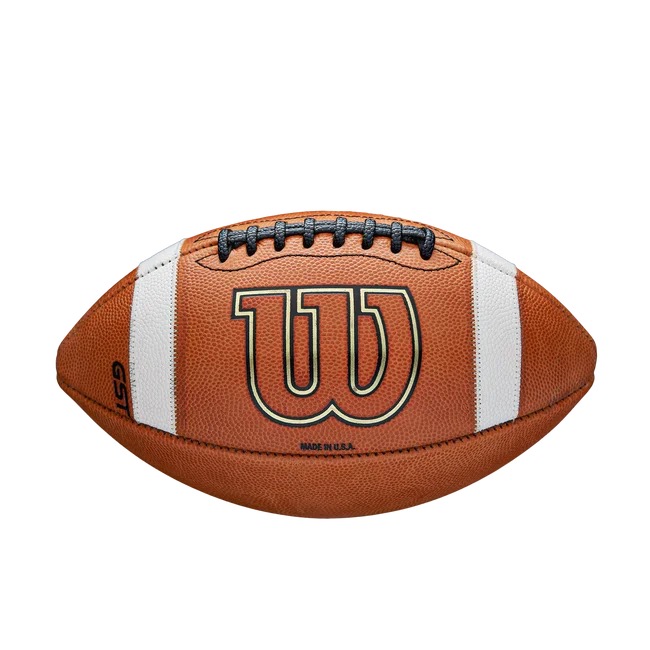
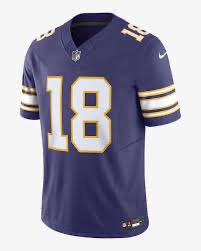
    The symbolism behind the football itself carries a long way. The ball itself represents hard work and teamwork. A football has become a very iconic American symbol. The ball appears in many movies, commercials, and major events like the Super Bowl. Many traditions bring fanbases closer together, such as tailgating, fantasy leagues, and team jerseys. Players’ jerseys also have a huge impact. For example, a fan wearing a Justin Jefferson jersey not only supports the Vikings, but they are also sharing this jersey with millions of other people. Tailgating from the NFL to college SEC setups is huge. These gatherings use food, drinks, and team colors as cultural markers.

    Wilson Footballs — official site

    Justin Jefferson Jersey — NFLShop

    Cultures and Perspectives Represented

    Cultures and Perspectives Represented

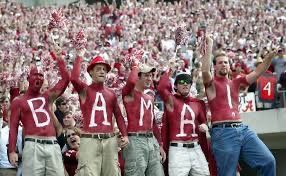
     Football may be huge in American culture, but it is also heavily tied to globalization, as there are games in the 2025 season. NFL International Series games are scheduled to be played in London, U.K., Berlin, Germany, Madrid, Spain, Dublin, Ireland, and São Paulo, Brazil, with games in Melbourne, Australia, planned for 2026. Key venues include Tottenham Hotspur Stadium and Wembley Stadium in London, Croke Park in Dublin, Corinthians Arena in São Paulo, and the Santiago Bernabéu Stadium in Madrid. Furthermore, each level of football carries different types of traditions. For example, SEC traditions versus Pac-12 teams. You’ll see packed-out die-hard fans at all types of SEC schools, while the West Coast Pac-12 is a lot more laid back.

    Alabama Football Player Not Happy in Tuscaloosa — The Spun

    Why This Interests Me

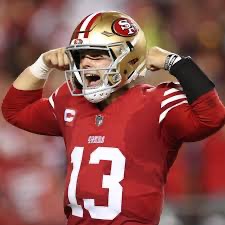
    To me, fanbases seem to have the biggest symbol in all of sports. For example, I’m a 49ers fan, and if I’m walking wearing any type of merchandise, I’ll often hear “Let’s go Niners”. After that, it might start a conversation, and I end up making a new friend just from a simple interaction that connects us both. That small gesture shows how impactful football symbols truly are. Moreover, fantasy football group chats have symbolized years of friendships. For example, I’ve had the same group chat for the same ESPN Fantasy league with all my buddies, and this has built years of friendship.

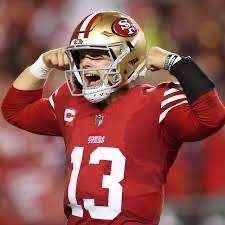
    As a fan of the 49ers my favorite growth story is Brock Purdy. The last pick in the draft and led his team to the Super Bowl. This symbolizes the underdog spirit he has, and that’s something all fans love and can learn from. That type of spirit is a great mentality to have, as if you put the work in it will take care of itself, and this applies to every aspect of life. Whether it’s school, work, etc.

    “Brock Purdy 49ers Contract Value” — Wall Street Journal

    Conclusion

    Football artifacts are what give the game its cultural significance, and they remind people that it is not just about the game but it’s about the people that come together around it.

  • Football is more than just a sport for many people like myself. It’s a community that offers connection, passion, and desire. For this blog, I am choosing to focus on football as my topic because it’s something I’ve been connected to for years, football brings together players, fans, teams, and media.

    How I Got Connected to Football

    I first became connected to football through family and friends. My dad threw me into football at a young age of 8, ever since then I loved it. Whether it was watching NFL games on Sundays, following college rivalries, or even throwing the ball around with my Dad, football was always present. What connected me most was the combination of competition and community. The intensity of the close game’s, the pride of supporting a team, and the way people come together around it makes football more than just a sport. It’s something that can bring strangers together instantly when they realize they’re rooting for the same team, to than becoming friends just because they share that.


    The Communities Around Football

    The football world has many communities. There are fan bases for every NFL and college team, groups of players and coaches, fantasy football leagues. For example, passionate NFL communities thrive on platforms like Reddit’s r/NFL, while fans of specific teams gather on Twitter which is now X to see the latest player contracts and trades or to break down plays and predictions. Fantasy football has it’s own energetic culture too, with millions of players competing online through platforms like ESPN Fantasy.

    Not only is football just an American hype. Communities exist globally, from those who watch NFL International games in London and Germany to players in local leagues around the world who see football as a growing sport.

    Who Participates and Where They Gather

    The participants in football communities are incredibly diverse. They include die hard fans who never miss a game, casual viewers who join in during the Super Bowl, former players, coaches, journalists, and even people who just like the social aspect of gathering for a game. Whether it’s online or just talking over the phone with a buddy, there’s always someone interested in some football talk.

    What I Enjoy About Football Communities

    What I enjoy most is the sense of identity and belonging. Being part of a football community means you share an inside language, you understand the terms, the rivalries, the memes, and the highs and lows of the season. I love how football sparks discussions that range from technical analysis of plays to fun banter about referee calls and everyone saying “terrible call” to every flag thrown.

    Another thing I enjoy is the storytelling. Each season creates narratives. underdog teams rising, star players getting injured and fighting back, or legendary rivalries sparking. These stories make football exciting and meaningful. For example one of my favorite underdog stories as a 49ers fan is Brock Purdy. The last pick in the draft taking his team to the super bowl, it doesn’t get much better than that.

    What I Hope to Learn

    As I blog about football this semester, I hope to better understand the communication styles within these communities. For instance, how do fans interact differently online versus in person? How does the tone change when a team is winning compared to when they’re losing? How do memes and media like TikTok play a role in shaping football today?

    I also want to explore how football conversations can bridge divides. People from different backgrounds, jobs, or even countries can come together simply because they share a love for the game or fans of the same team. That type of community is powerful, and I want to analyze what online makes it possible.

    Conclusion

    Football is more than just a game it’s something that brings together friendships, and creates them. Football brings together different kinds of people in the simple fact that we all love our team and winning fantasy games.

  • Welcome to WordPress! This is your first post. Edit or delete it to take the first step in your blogging journey.