I’ve come to realize the variety of discourse communities I participate in both within and outside of school as a first-year student at San Diego State University. I’ll focus on three in this post: my friend group, the Greek Life/fraternity community I’m learning about at school, and the fantasy football community.
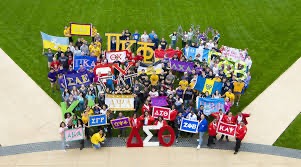
“Awhspitch Senior Issue — Greek Life.” The Pitch
Fantasy Football Community
Primarily sports enthusiasts, frequently spanning from people in their 40s and 50s to high school kids. Although men make up the majority, more and more women are joining leagues. They enjoy strategy, competition, and keeping up with the NFL. To make the season more interesting, many people join leagues with coworkers or complete strangers they met online. The majority of participants use social media, applications like ESPN or Sleeper, and group chats to connect. Just as fun as real lineup talks are memes and trade ideas. This group places a high importance on sports expertise, rivalry, and friendship. Winning is important, but so are celebrating big plays and trash-talking in group discussions. Through reading articles, watching YouTube breakdowns, or listening to others, they learn terminology like RB1, waiver wire, sleeper pick, and PPR.

ESPN. “ESPN Fantasy Football Logo.” Accessed September 29, 2025.
My Friend Group
The second discourse community I’m a part of is my friend group, which has been with me since elementary school. Mostly teens between the ages of 18 and 19, most of whom I met through basketball and football. Our history and memories are all shared. We’ve grown up together and continue to communicate through Snapchat, Instagram, TikTok, late-night conversations, and travels (such as our senior year vacation in Cabo). Support, enjoyment, and loyalty are valued in this community. We continue to rely on one another as our primary support system, even when we transition to college and new settings. When we’re together, we enjoy driving around or watching games. To be honest, it’s difficult to “join” this kind of group because we are all connected by our same experiences. However, newcomers pick up knowledge through shared customs, inside jokes, and recited anecdotes.
Greek Life at SDSU
Fraternity and sorority life at SDSU is another community I’m starting to learn more about. Primarily college students, from freshmen like me to seniors in leadership roles. Although members come from a variety of backgrounds, each council has some shared customs. Students join in order to develop their leadership abilities, make friends, give back through charitable endeavors, and experience a sense of belonging to something greater than themselves. Greek Life places a strong emphasis on service, leadership, education, and fraternity. Numerous chapters emphasize campus involvement, networking, and philanthropy. Meetings are how fraternities and sororities communicate. Social media advocacy of charitable causes is a common kind of public-facing communication. During orientation and mentorship, new members are taught the history, core principles, and specialized terminology of the organization.
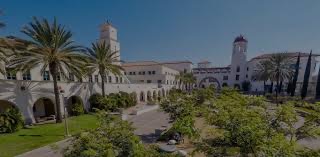
San Diego State University. Accessed September 29, 2025.
Conclusion
My identity is shaped differently by each of these discourse communities: Greek Life, my friend group, and fantasy football. My friends provide me with a foundation of loyalty and cherished experiences, Greek Life provides opportunities for leadership and networking on campus, and fantasy football enables me to connect with my love of sports.
 Andrew's Blog
Leave a comment